

TribAL Archive
The Tribal Archive is the living repository of the Nevada City Rancheria Nisenan Tribe’s historical and contemporary record. It gathers academic papers, legal documents, photographs, oral histories, recordings, maps, exhibition research, and Cultural ephemera into one Tribally-governed system.
What was once scattered across university collections, private holdings, and disconnected digital platforms is now being carefully consolidated under Tribal stewardship.
More than a digital database, the Tribal Archive is an act of intellectual sovereignty. It ensures that the Tribe, rather than outside institutions, holds authority over how Nisenan history, Culture, and knowledge are preserved, contextualized, and shared. Selected materials are publicly accessible, while sensitive items are protected through tiered permissions grounded in Cultural protocols.
The Archive also serves as the foundational research infrastructure for HUṠWEJ’s broader work. It informs exhibitions at ‘UBA SEO: Nisenan Arts & Culture, education modules, land stewardship initiatives, and legal documentation supporting the Tribe’s federal recognition efforts. In this way, it is both a protected Cultural resource and a public humanities platform rooted in truth, accountability, and continuity.
Purpose & History
The primary mission of the Tribal Archive is to collect, organize, preserve, and make Culturally significant materials accessible to Tribal members.
Historically, Nisenan knowledge was extracted, fragmented, and housed in academic institutions, often without consent or appropriate context. The Archive reverses that trajectory by bringing materials home – digitally and relationally – under Tribal authority.
The Archive was developed using Mukurtu CMS, a community-driven content management system designed specifically for Indigenous archives. Mukurtu was created in collaboration with Indigenous communities around the world and allows for Culturally responsive access controls. Unlike traditional Western archives, which prioritize open access and centralized authority, Mukurtu enables nuanced, tiered permissions grounded in Cultural protocols and Tribal sovereignty – ensuring that sensitive knowledge remains protected while also curating a rich public platform from which Nisenan history can be told on the Tribe’s own terms.
The project began by consolidating exhibition materials from ‘UBA SEO, research collections gathered over decades by Tribal historians, website materials, and contemporary documentation from HUṠWEJ programs. Research conducted for the PAMBLO: Remembering A Forgotten Leader exhibition expanded the Archive significantly, adding historical photographs, maps, and newspaper records from the 19th century.
Ongoing oral history recordings with Tribal members continue to deepen the Archive’s richness and ensure that lived memory stands alongside written documentation.
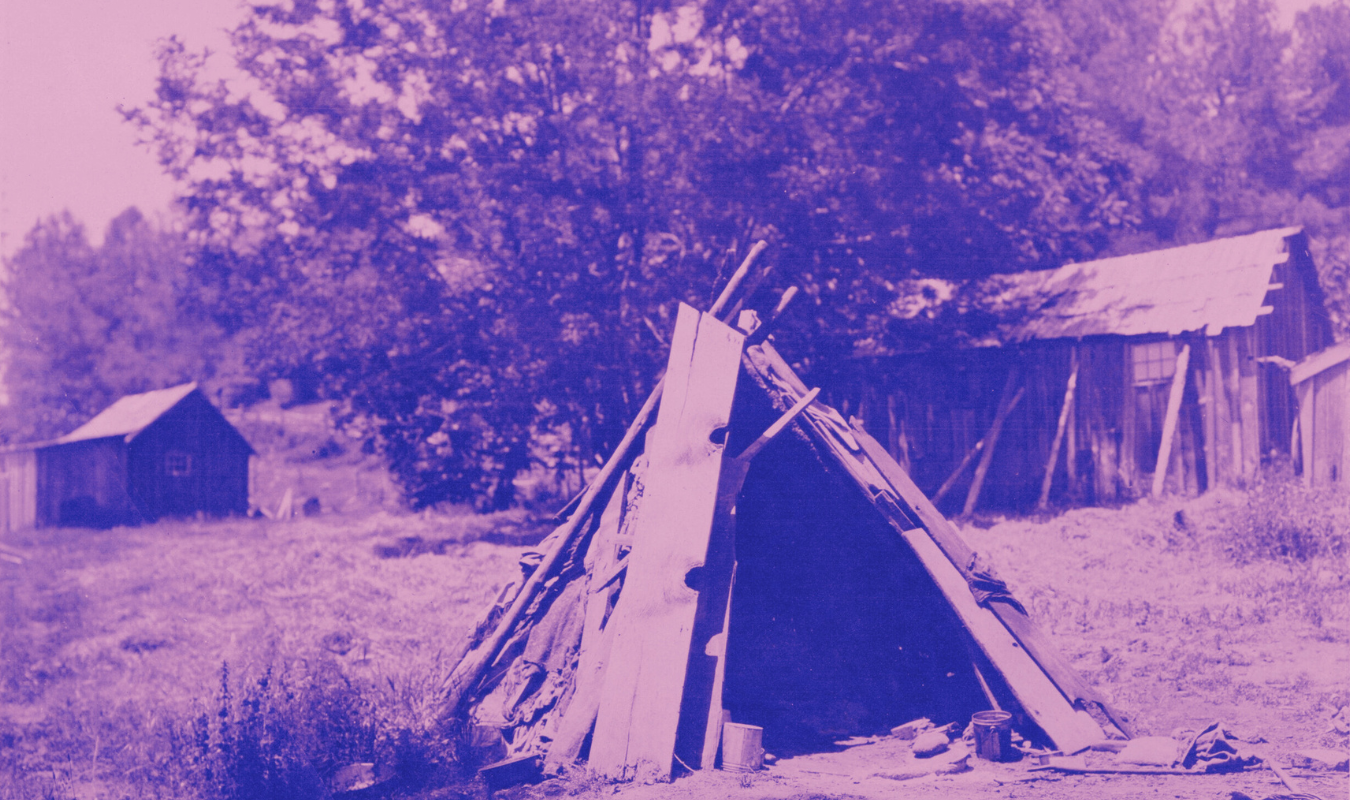
View of shacks at Campoodie in Nevada City, circa 1907
What’s In the ARchive
The Archive contains both historical and contemporary materials. These include photographs of Ancestral Homelands, land acquisition documentation, legal and federal recognition records, exhibition research files, oral histories, environmental and ecological documentation, language materials, and programmatic records from HUṠWEJ’s departments – including health, education, land stewardship, wellness, and community outreach.
Historical materials are sourced through Tribal research, partnerships with university and state archives, newspaper databases, and collaborations with institutions such as the Smithsonian and the Huntington Library. In some cases, digital reproduction rights are secured so that the Tribe can legally house copies of materials that were previously inaccessible to the Tribal community.
The Archive is also evolving into a teaching tool. Planned and developing features include a Nisenan language dictionary, interaction mapping of historic villages and contemporary land stewardship sites such as Yulića, and commenting capabilities that allow Tribal members to add personal and Cultural context to materials. The Archive is not static – it is living, relational, and continuously expanding.
Scholarship, Extraction, & Reclaiming Authority
For generations, Indigenous communities, including the Nisenan, were studied under the “vanishing race” theory, which assumed Native peoples would disappear. This colonial mindset justified the theft of the dead and funerary objects, extraction of artifacts, language documentation, and Cultural knowledge by academic institutions. Materials were removed from Tribal communities, dispersed globally, and catalogued without Indigenous authority or interpretive context.
This extractive history has had lasting consequences. Nisenan Tribal members have shared oral histories, genealogies, and Cultural knowledge with scholars and historians in good faith – only to see that knowledge published without proper attribution, removed from its relational context, or treated as academic property rather than living inheritance. In nearly all cases, Tribal members were not compensated for their time, expertise, or intellectual contributions. As a result, Tribal members have developed understandable reticence around collaboration with scholars. The issue has never been a lack of willingness to share, but rather a lack of reciprocal, ethical relationships.
The Tribal Archive represents a correction to this history. By consolidating materials, reclaiming documentation, and housing records under Tribal governance, the NCR Nisenan Tribe becomes the central decision-maker in how its story is preserved, interpreted, and disseminated. The Archive restores narrative authority and establishes new standards for research grounded in consent, attribution, reciprocity, and respect.
It is not simply about storage – it is about intellectual sovereignty, Cultural protection, and ensuring that future collaborations are built on equity rather than extraction.
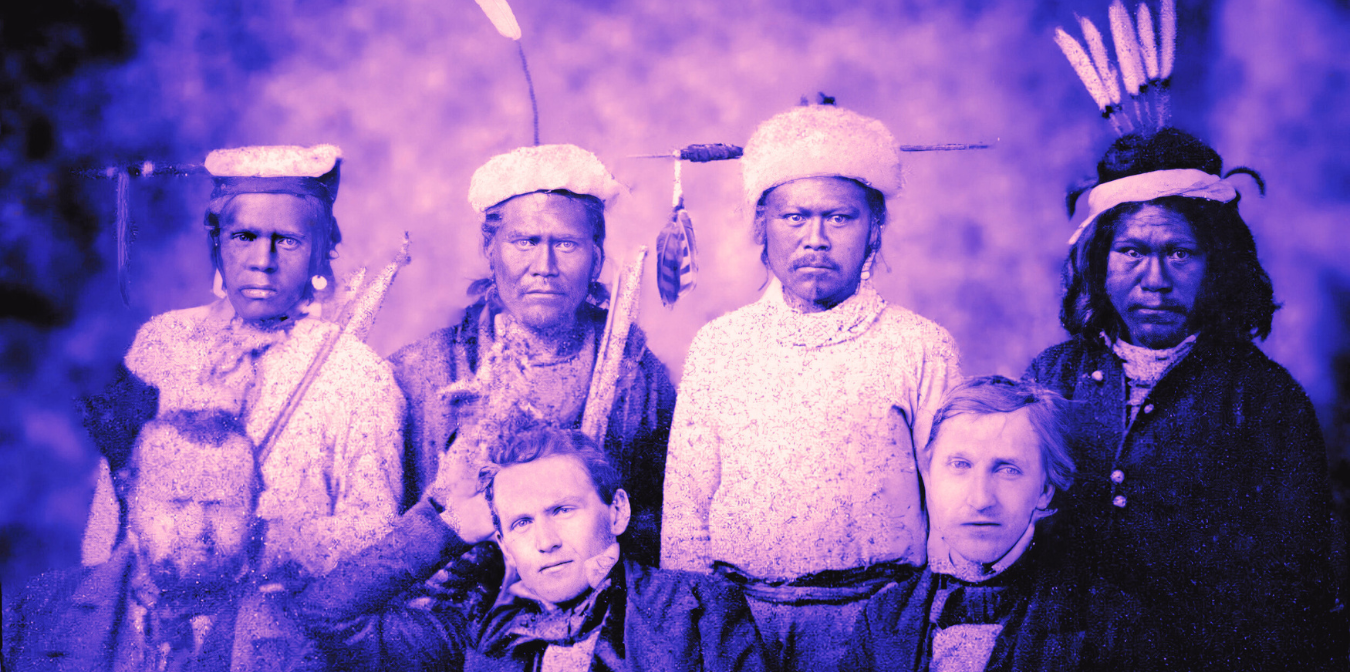
Nisenan Leaders and three Treaty Commissioners signed The Camp Union Treaty in 1851, Photo enhanced by Jearrod Fountain
Cultural Sensitivities & Access Protocols
Not all Tribal knowledge is meant for public circulation.
The Archive contains sensitive materials including sacred site information, family genealogies, legal records, and Culturally restricted knowledge. Mukurtu's tiered permission system allows the Tribe to determine who can access what, and under what conditions.
Public-facing materials are available for educators, researchers, and community members seeking to learn more about the NCRNT. Researchers interested in additional access to materials are encouraged to reach out for case-by-case consideration. Engagement with the Archive should be grounded in respect for Cultural protocols and recognition of Tribal authority.
The Archive prioritizes relationship over extraction. Those who use publicly available materials are asked to cite appropriately and engage with the Tribe as collaborators rather than consumers of information.
Looking Ahead & How to Support
The long-term hope for the Archive is expansion and deepening. Planned developments include enhanced language tools, interactive mapping of historical and contemporary sites, expanded oral history collections, virtual tours of ‘UBA SEO’s exhibitions, and increased collaboration across HUṠWEJ’s departments. With sustained support, the Archive can continue to grow as a model of Indigenous digital sovereignty.
Funding support helps sustain staffing, digitization, rights acquisition, platform development, and widening of publicly interactive materials. Community members can support the Archive through donations, responsible citation of material, and by returning or digitizing NCR Nisenan Tribe-related Cultural items that may be in private possession.
If you have photographs, documents, or Cultural heritage materials connected to NCRNT that you would like to share or return, please contact archive@huswej.org
In bringing materials home – digitally and relationally – we strengthen Cultural continuity, intergenerational memory, and the Tribe’s enduring authority over its own story.
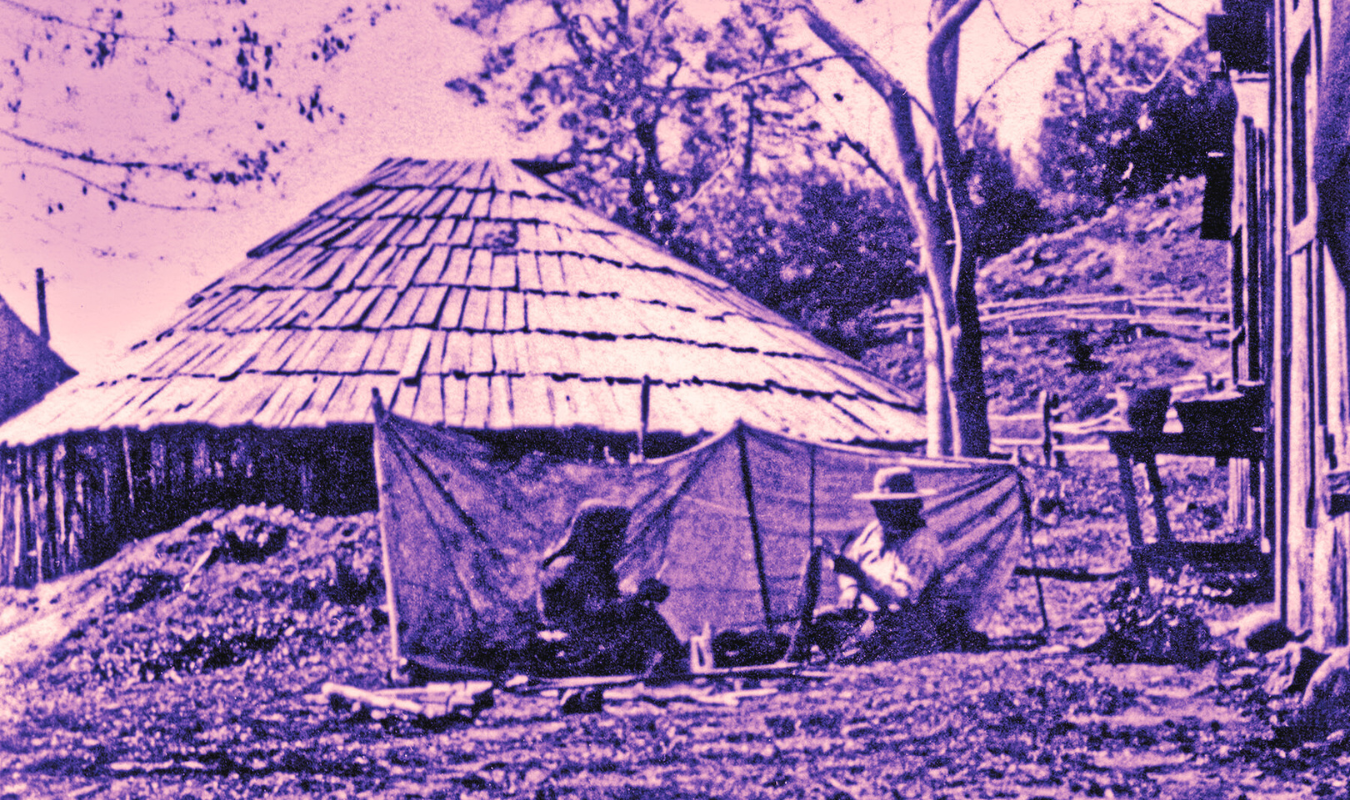
One of Five Roundhouses on the Old Nevada City Rancheria