
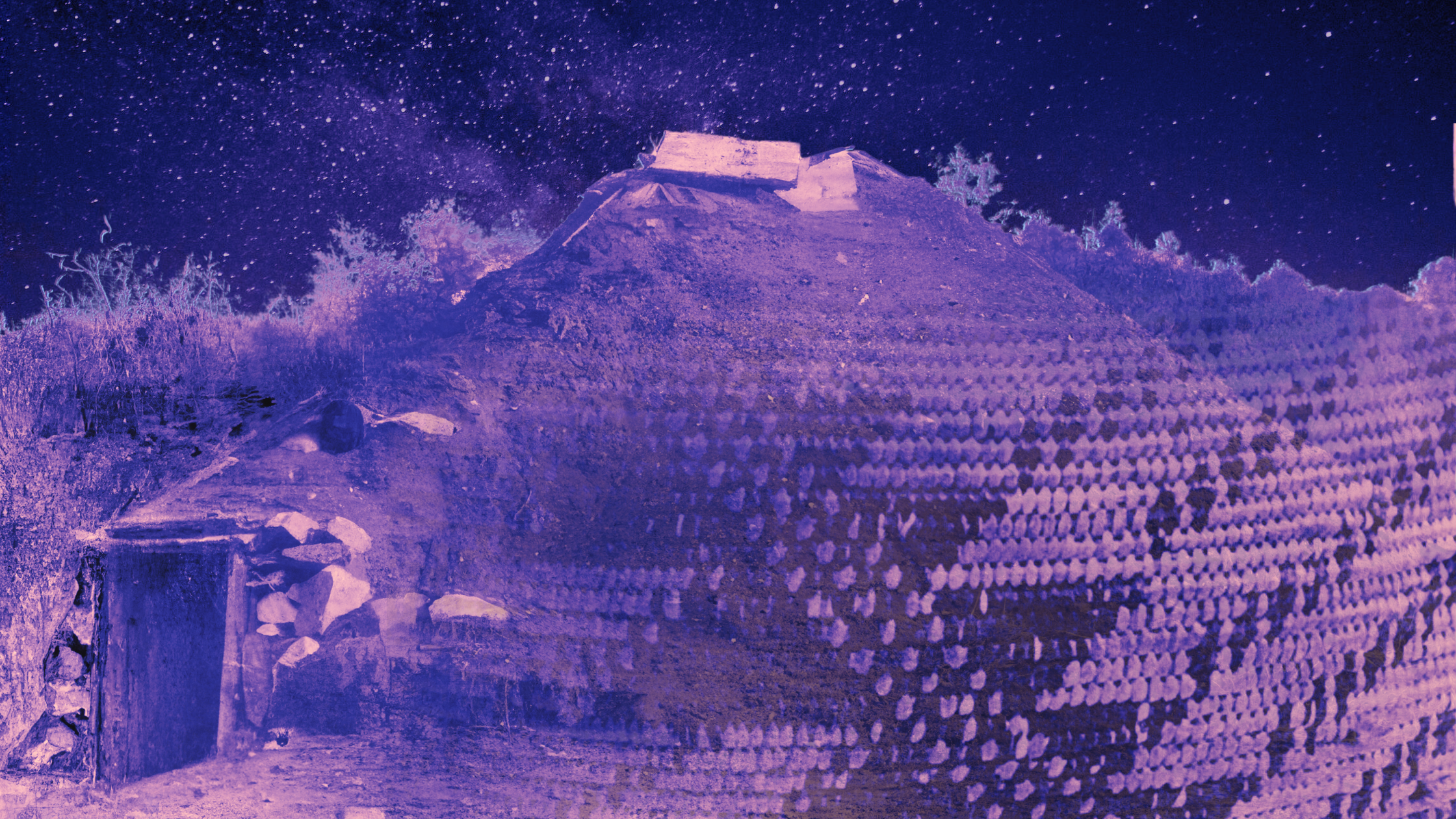
NISENAN
Recognition & Sovereignty
The Nevada City Rancheria Nisenan Tribe’s fight for restoration of federal recognition is not simply a legal process – it is a matter of justice, truth, and the Tribe’s ability to care for its People, Culture, and Ancestral Homelands.
Federal recognition does not grant sovereignty. The Nisenan were sovereign long before the United States existed.
But recognition determines what the U.S. government is willing to acknowledge and what legal and material resources the Tribe can access.
The Camp Union Treaty
The fight for federal recognition began not in the 20th century, but in 1851, when the U.S. government sent agents to negotiate treaties with California Native Nations during the height of the gold rush.
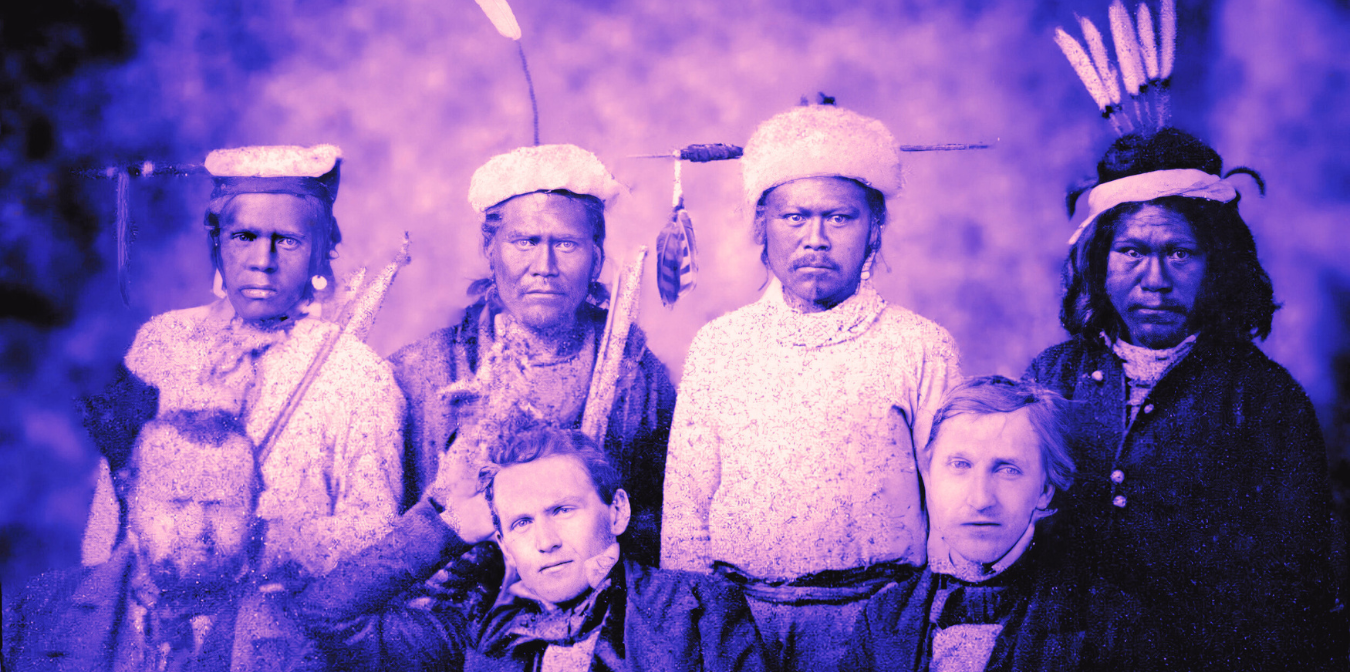
On July 18, 1851, Nisenan leaders met with federal officials near the confluence of the Bear and Yuba Rivers to negotiate what became known as the Camp Union Treaty.
For some Nisenan leaders, who were already facing unprecedented violence, displacement, and ecological devastation, engagement in treaty-making was seen as a possible path toward survival and stability – a way to protect their people and remain within their Ancestral Homelands by working within the systems being imposed upon them.
In this agreement, the Nisenan identified twelve square miles (about 7,680 acres) between what are now Penn Valley and Rough and Ready as their reserved territory. They chose the land deliberately for its biodiversity, water access, and alignment with seasonal lifeways. In return, the United States promised livestock, building materials, farming tools, cloth, and other resources necessary to “civilize” the Nisenan and support their transition to life on this newly designated land base.
However, deeper examination of the treaty process reveals that it was fundamentally flawed and deeply manipulated. Federal agents treated California Native Nations as a single homogenous population rather than distinct social and political communities, and the negotiations themselves were shaped by settler interests rather than Tribal governance structures.
Individuals presented as “chiefs” or Tribal representatives were not always recognized leaders within Nisenan Cultural systems, and were instead acting in alignment with settler economic interests rather than Tribal authority. In some cases, those selected to sign on behalf of the Nisenan, such as hu’k Weymeh, had been elevated by settlers or federal agents, while legitimate leaders and entire Nisenan communities were excluded from the negotiations altogether. One signatory is even believed to have been a white settler, signing under the name “Wallumhook,” which translates to “white chief” in the Nisenan language.
Even as the legitimacy of the treaty process itself is called into question, the United States still bore the responsibility to honor the agreements put forward. Instead, in a closed-door session and under pressure from California’s newly established government which sought continued access to valuable agricultural and mineral lands, the US Senate refused to ratify any of the 18 California treaties. These documents were then sealed and hidden from the public for more than 50 years, and not rediscovered until 1907.
For the Nisenan, the failure of the United States to ratify the treaties was not immediately known. The agreements had been presented as binding, and despite the deeply flawed and exclusionary nature of the negotiations, some Nisenan leaders understood the treaty as a commitment that would be honored. In the face of ongoing violence and instability, working within the treaty system was seen as a way to secure a future for their people and maintain a presence on their Ancestral Homelands.
Acting in good faith, many Nisenan families followed the terms of the agreement and relocated to the designated lands, trusting that the promised protections and resources would be provided, with the hope that cooperation might offer safety. Instead, the opposite occurred.
As Nisenan people moved onto the treaty lands, settlers moved into the territories they had left behind, claiming land, resources, and sacred sites. At the same time, because the treaty was never honored, white squatters and miners also moved onto the designated reservation lands themselves, subjecting Nisenan families to continued violence, intimidation, and displacement.
Rather than providing protection, the treaty process intensified instability and exposed the Nisenan to genocide.
The consequences of this broken and disingenuous process were immediate and devastating. Without legal protections, settlers continued to claim Nisenan lands and waterways with impunity. Violence escalated, and the Tribe was left landless and vulnerable within their own Ancestral Homelands.
This betrayal – shaped by manipulation, exclusion, and the prioritization of settler economic interests – formed the foundation of the structural erasure and legal limbo the Tribe still faces today. The United States’ failure to honor the Camp Union Treaty marks the first major rupture in the Tribe’s sovereignty under U.S. law, but not in their inherent sovereignty as the Original People of this land.
The Establishment and Termination
of the Nevada City Rancheria
In the decades following the unratified treaties, the Nisenan resisted erasure through every possible avenue.
In 1891, Tribal Chief Charley Culley secured just over 75 acres of land north of Nevada City through the 1887 Dawes Severalty Act. This small but hard-won parcel became a renewed foothold for the Nisenan Tribe – a place where families continued to farm, gather, raise children, and practice Culture on their Ancestral Homelands.
Federal acknowledgement of this parcel as Tribal land came in 1913, when President Woodrow Wilson signed an Executive Order formally establishing a reservation for the Nevada City Nisenan. For the first time since the broken treaty, the federal government recognized the Tribe as a sovereign political entity with a land base. Though small and insufficient compared to their historic territory, the ‘Rancheria,’ as it was called, was a refuge in an era of widespread violence, poverty, and displacement.
This recognition, however, would not endure. In 1958, under the California Rancheria Termination Act, Congress terminated dozens of small Tribes across the state, including the Nevada City Rancheria in 1964. Termination was framed as a step toward “self-sufficiency” and "assimilation," but in reality, it dissolved tribal governments, liquidated lands, and stripped Indigenous Nations of federal protections and recognition.
The U.S. government terminated the Nevada City Rancheria illegally and without Tribal consent. The land that Chief Culley had secured was divided and sold, and the Tribe’s legal status vanished overnight.
Termination did not end the Nisenan’s inherent sovereignty, but it removed the Tribe from federal rolls, deprived them of resources, and ended U.S. legal recognition of their political identity.
This loss remains one of the most significant legal and structural harms experienced by the Tribe – and one of the greatest barriers to justice today.

The Hardwick Legal Battle
In the 1970s and 1980s, California Native nations began to challenge termination. A landmark class-action lawsuit, Tillie Hardwick v United States, successfully restored federal recognition to 17 nations, restoring their Rancherias, by proving that the termination process was unlawful and riddled with procedural violations.
The Nevada City Rancheria, one of the plaintiffs in the case, should have been among those reinstated.
However, because of a clerical error in the initial filings, the Tribe was mistakenly left out of the Hardwick decision. When the error was discovered, the Tribe attempted to amend the case to include the Nevada City Rancheria, but their request was denied in 1989 on the grounds of an arbitrary statute of limitations. This ruling was unprecedented and remains the only known instance in which a statute of limitations has been used to deny a Tribal recognition or restoration claim.
The court did not argue that the Tribe lacked legitimacy, history, or evidence. They were denied solely because of a technicality.
For more than three decades, the Tribe has attempted to correct this injustice: filing petitions, engaging federal agencies, building support among local governments, and presenting overwhelming historical documentation. The evidence is clear: the termination of the Nevada City Rancheria was unlawful, and their exclusion from Hardwick was a bureaucratic mistake on the part of the U.S. government. Yet, despite this, the federal government has repeatedly refused to restore recognition.
Today, the Tribe – supported by HUṠWEJ as its nonprofit proxy – is preparing to pursue litigation to correct this historic wrong. The fight is not for something new. It is for the restoration of what should never have been taken.
Why Federal Recognition Matters
Federal Recognition does not define the Nevada City Rancheria Nisenan Tribe, but it does profoundly shape what the U.S federal government is legally obligated to recognize, protect, and support.
Recognition affirms a tribe’s legally acknowledged political status, ensures eligibility for federal health, housing, and education programs, and provides legal protections for sacred sites, burial grounds, and Cultural resources. It enables tribes to steward their lands, develop housing, build community centers, run environmental programs, establish justice systems, and access the full range of rights afforded to sovereign Indigenous nations.
For communities harmed by colonization, recognition can function as a tool to rebuild collective capacity, access resources, protect Cultural practices, and support the long-term survival of the nation. Recognition does not grant sovereignty. However, because the United States controls land access, funding structures, and legal jurisdiction, federal recognition remains a critical mechanism for ensuring the Tribe’s ability to thrive as a nation within a settler state.
Recognition also corrects a historical record that attempted to erase the Nisenan through treaties hidden in vaults, unjust termination, and bureaucratic oversight. It is a matter of justice, truth, and historical accountability.

Sovereignty Beyond Federal Recognition
Federal recognition is important, but it is not the determinant of Nisenan sovereignty.
Indigenous sovereignty is not created by colonial governments; it is inherent, relational, and rooted in Land, kinship, and responsibility. The Nisenan were sovereign before the United States existed, and they remain sovereign today.
Sovereignty is expressed in the Tribe’s perpetuation of their own Cultural, political, ecological, and social paths. It lives in language revitalization, in Cultural burning practices, in youth mentorship, in the reawakening of basketry and ceremonial traditions, and in the Tribe’s leadership on land rematriation and environmental stewardship. It manifests in the Tribe’s role as knowledge-holders and Culture-bearers, whose land-based technologies that were refined over millennia are now essential for climate resilience and ecological restoration in the Sierra Nevada Foothills.
As a sovereign nation, the Tribe has a rightful place within the broader Sierra Foothill community. Sovereignty means a right to: participating in land-use discussions, shaping environmental policy, guiding restoration work, establishing educational programs, and ensuring Nisenan voices are present in local and regional decision-making.
The Tribe asserts sovereignty every time they tell their own story, teach Cultural protocol, steward land, welcome Tribal Youth into Cultural practices, and create the conditions for future generations to thrive.
While federal recognition is a necessary step toward justice, it is not the foundation of Nisenan nationhood. The Tribe’s inherent sovereignty flows from relationships that are older than the United States, grounded in Land, Culture, kinship, and continuity.
This sovereignty that cannot be erased.
Nevada City Rancheria’s Tribally-Guided Nonprofit
Until such a time as the Nevada City Rancheria Nisenan Tribe regains federal recognition, HUṠWEJ (formerly California Heritage: Indigenous Research Project) functions as a Tribally-guided proxy and administrative vehicle to support the Tribe's self-determination, continuity, and care for its People and Ancestral Homelands.
This role exists because the federal system continues to deny the Tribe access to the legal and material resources reserved for recognized tribal nations. As a result, HUṠWEJ serves as a necessary intermediary – stewarding resources, receiving funding, managing partnerships, and carrying our programs that would otherwise be inaccessible under current federal policy.
Being Tribally-guided is not symbolic. HUṠWEJ is led by the Nevada City Rancheria Nisenan Tribal Council, and all decisions, programs, and priorities are shaped through Tribal leadership and accountability to the Tribal community first and foremost. In this way, the nonprofit operates as an extension of Tribal governance rather than a replacement for it.
HUṠWEJ exists to hold capacity and space during this period of nonrecognition, advancing land rematriation, Cultural revitalization, Tribally-guided stewardship, youth programming, community wellness, and public education – all in service of the Tribe’s inherent sovereignty and long-term future. Its ultimate goal is not permanence, but to work toward a day when the Tribe no longer needs an intermediary, and can fully stewards its future on its own terms.