
Learn
Understanding the history of the Sierra Foothills and the Nisenan people who have stewarded these Lands since time immemorial is essential to honoring truth, acknowledging harms, and working toward healing.
The truth of the physical and Cultural violence enacted upon California’s Indigenous peoples during the gold rush - including upon the Nevada City Rancheria Nisenan Tribe - is not represented in our collective history. To see the full picture, we must turn to Indigenous stories that reveal the impact of colonization, the resilience of Native communities, and the ongoing efforts to preserve Culture and sovereignty.
By learning the true history, we not only broaden our understanding but also gain a sense of responsibility to support Indigenous rights, healing, and justice.
History + Un-Erasure
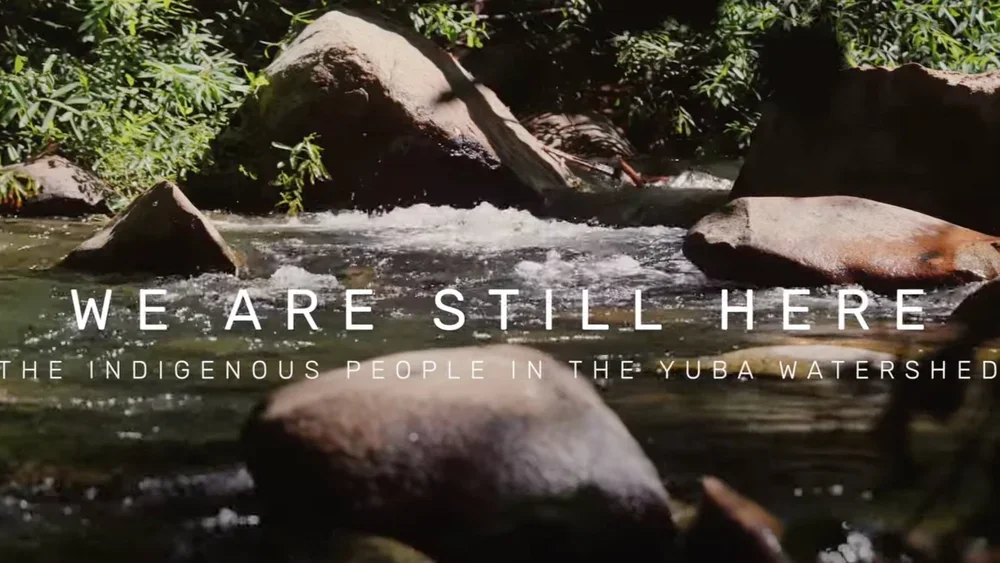
This NorCal Emmy award-winning collaborative film created with the Yuba Water Agency and South Yuba River Citizens League explores the impact of the gold rush on the Nisenan People and their fight to save their Culture
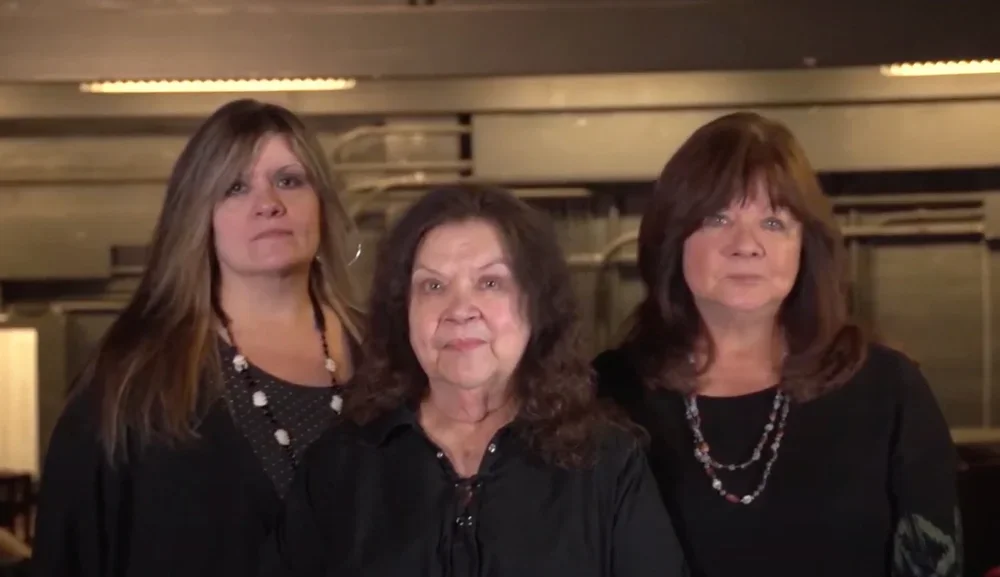
Created in collaboration with the Sacramento City College Film Department amid the heightened social justice conversations of 2020, this short film centers the often-erased history of the NCR Nisenan Tribe, illuminating the original colonial tragedy on these lands and the ongoing impact of dispossession and erasure.
This ten-minute film, produced by the Sierra Streams Institute, explores the untold history and experience of the NCR Nisenan Tribe, as well as Chinese immigrants, during the gold rush. It also details the devastating impact of gold mining upon the Land, which can still be seen today.
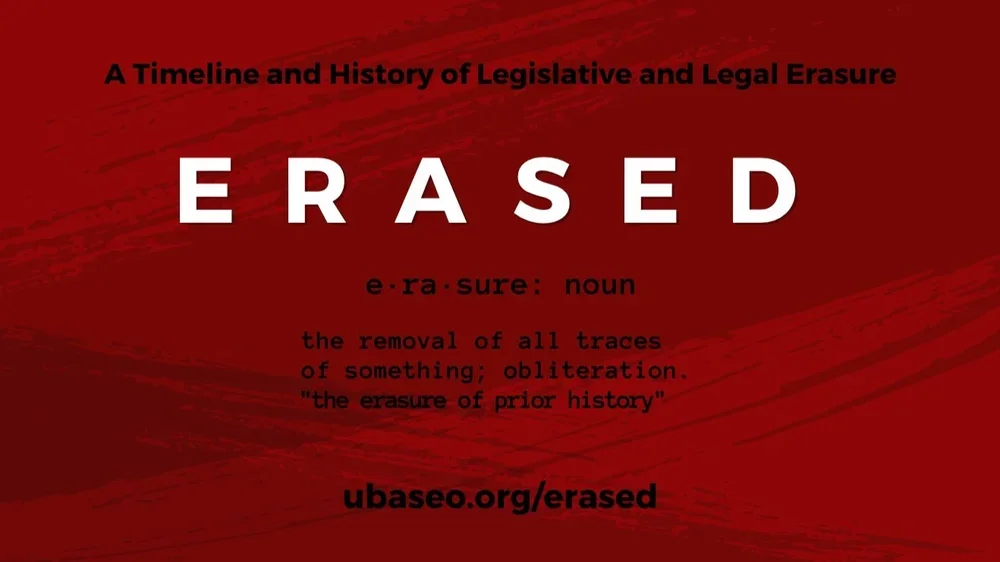
The "Erased" exhibit, originally hosted at ‘Uba Seo: Nisenan Arts & Culture, unveils the hidden history of the Nisenan Tribe during the gold rush - a period that brought devastation to Indigenous communities yet is often overlooked in mainstream narratives.
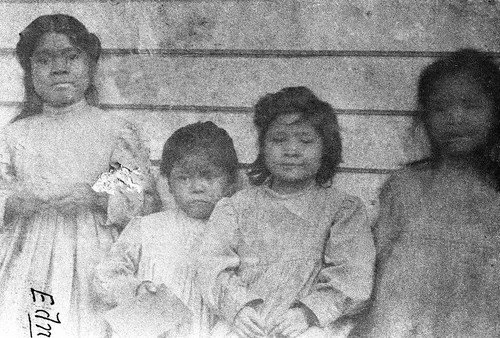
Explore the history and healing work informed by Orange Shirt Day, and discover how the Nisenan Tribe and CHIRP are addressing the lasting impacts of the Boarding School Era through community, Culture, and restoration.
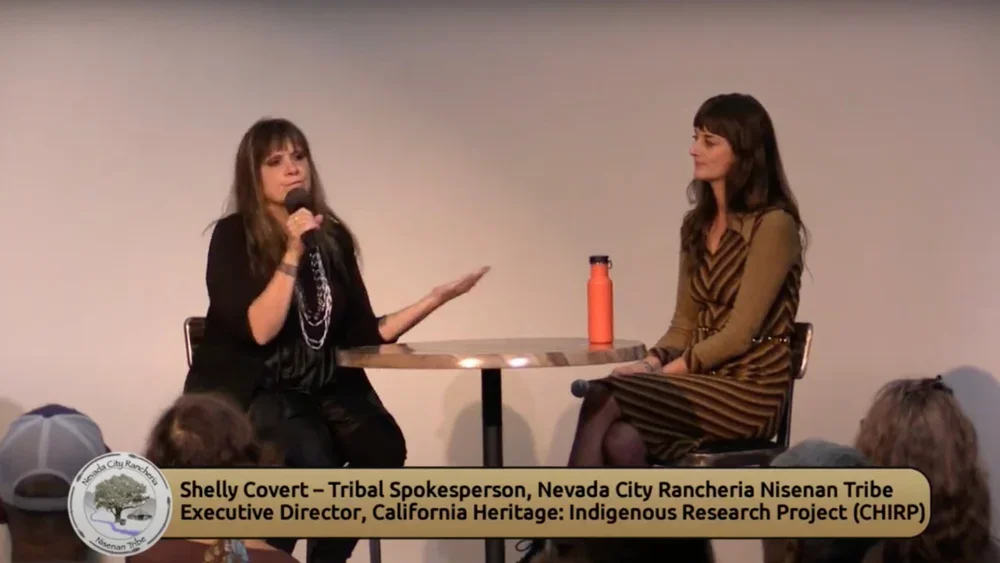
This educational event featured a presentation by Megan Renoir on ethics-driven collaboration and research, a conversation with Geoff of the Lunacy Podcast, a legal update from Tribal attorney Frank Lawrence on federal recognition efforts, and a closing discussion with linguist Benjamin Yang on Nisenan language revitalization.
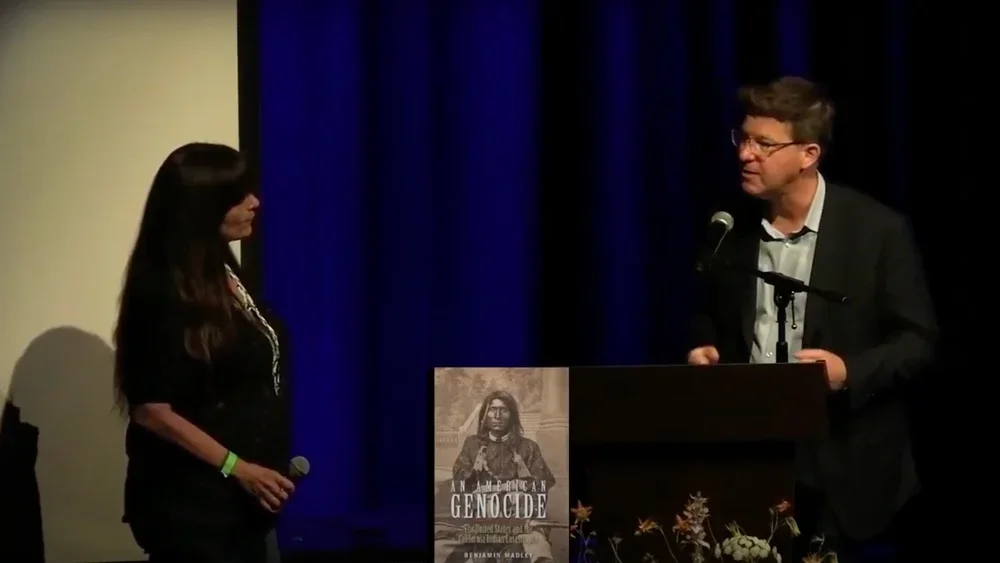
Historian Benjamin Madley discussed his groundbreaking book An American Genocide, which documents California’s role in genocidal policies against Indigenous peoples. He and Tribal Spokesperson Shelly Covert also addressed the direct impacts and violence experienced by the NCR Nisenan Tribe.
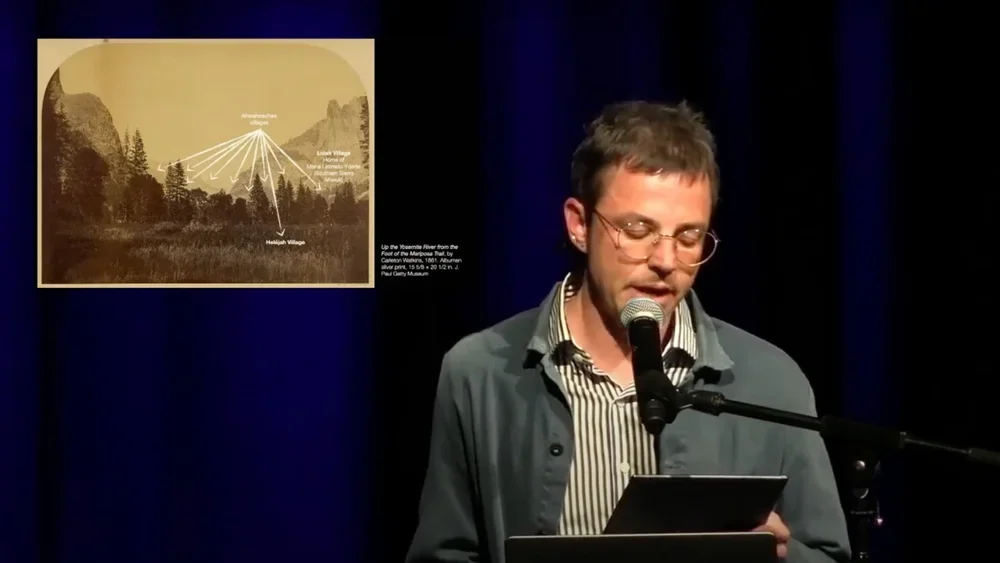
Photo-historian Jordan Reznick presented current research on how Indigenous ecological science shaped nineteenth-century landscapes. Examining photographs from westward colonial expansion, Reznick contrasts settler and Indigenous perspectives, challenging narratives of the land as “untouched wilderness.”
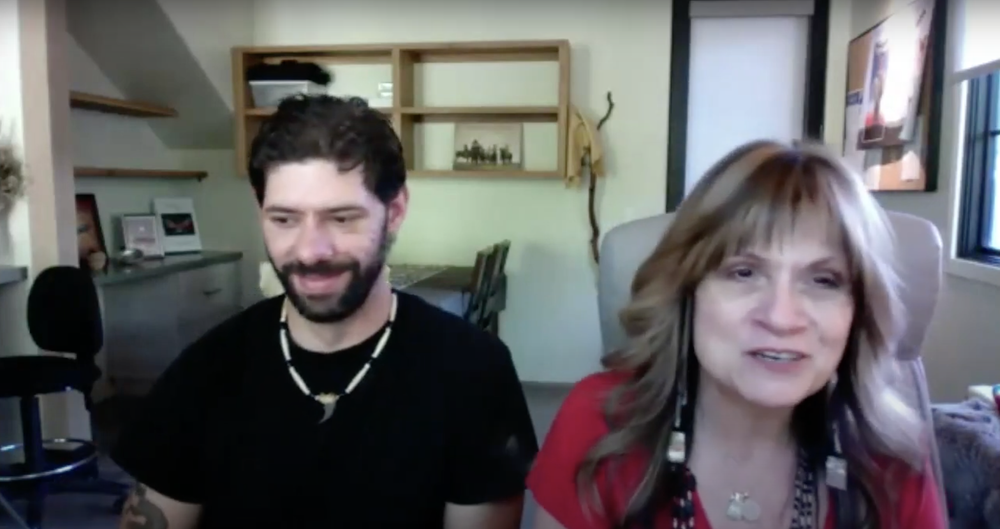
Members of the NCR Nisenan Tribe and HUṠWEJ’s Archival Intern held an open conversation on Tribal history, historical ties to Cornwall, the role of international support in their political struggle, and future collaboration with institutions such as the Royal Cornwall Museum and international universities.
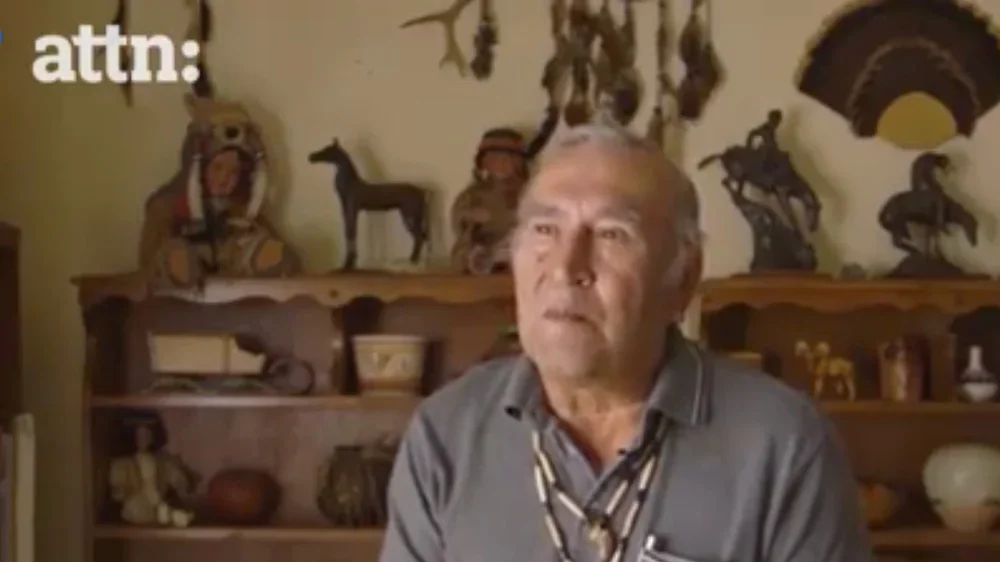
NCR Nisenan Tribal Chairman Richard Johnson’s ATTN: video received more than 11 million views across the U.S. and Canada. While Canada is further along in Truth and Reconciliation with First Nations, the U.S. is beginning to enter the conversation. It starts with knowing.
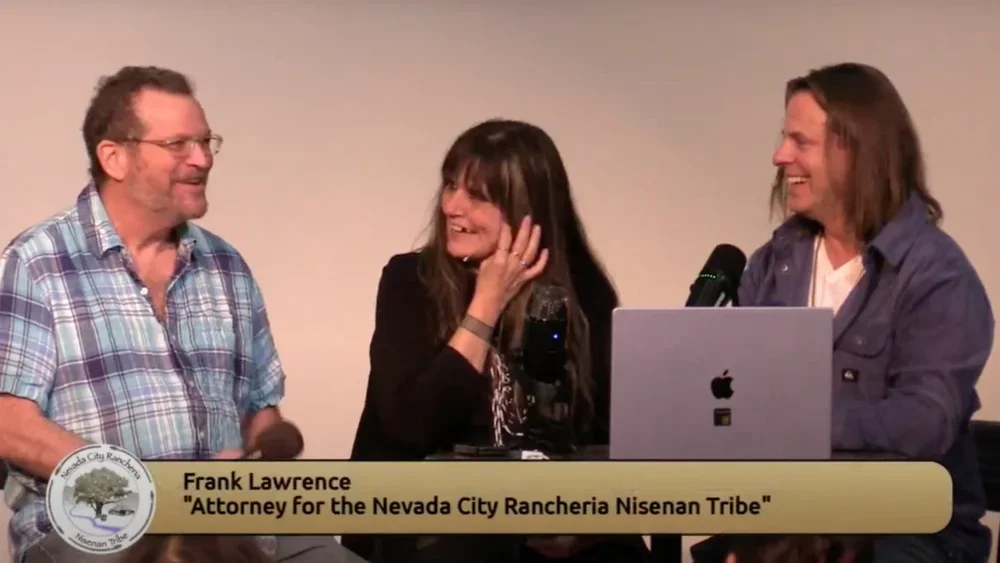
To learn more about the NCR Nisenan Tribe’s ongoing legal fight for recognition, watch this interview with Tribal Spokesperson Shelly Covert, Tribal attorney Frank Lawrence, and Geoff Eido of the Lunacy podcast, exploring the case’s complexities and challenges. Learn more about the Tribe’s fight for recognition here.
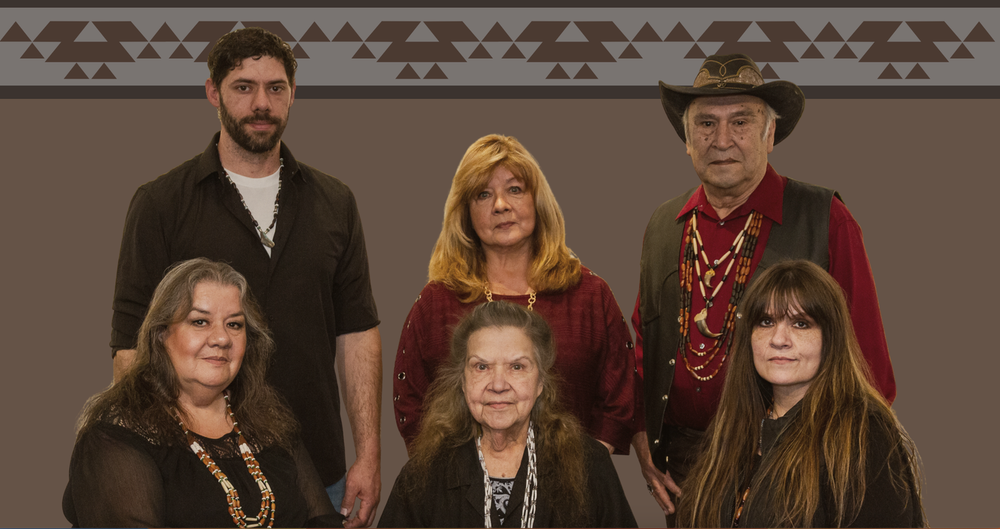
The VICE article highlights the struggles of the Nisenan, Indigenous people of the Bear Yuba Watershed. In the 1960s, the U.S. government terminated their federal recognition, stripping legal status and resources as part of broader assimilation policies. An accompanying podcast is available here.
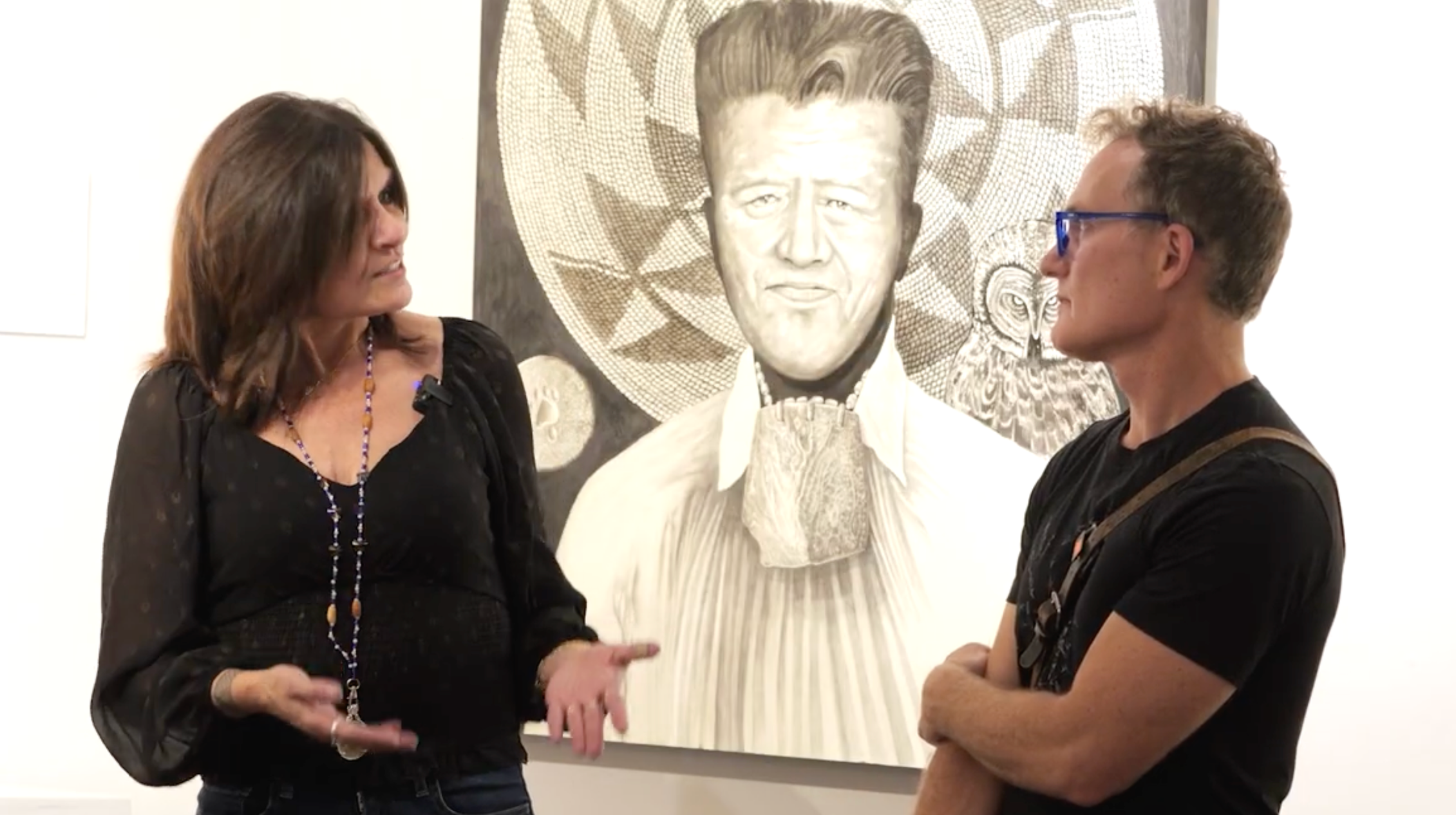
In this official launch of What Came West, Nevada City Rancheria Nisenan Tribal Spokesperson Shelly Covert joins author Josh Weil for a thoughtful conversation on Tribal consultation, historical storytelling, and restoring visibility to Nisenan perspectives in California’s gold rush history.
What Came West: Book launch with Josh Weil
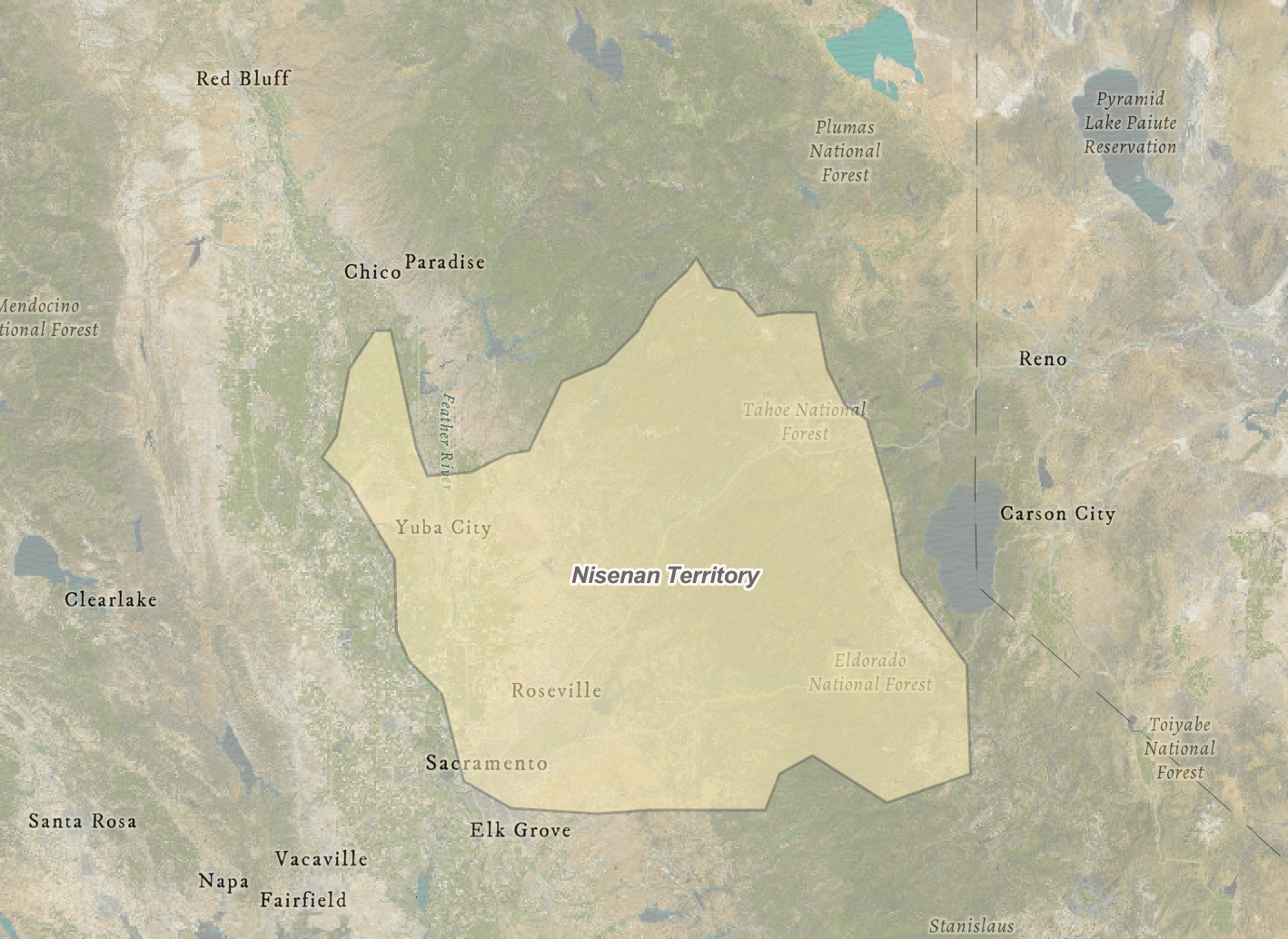
This interactive StoryMap, created in collaboration with the Nevada County Library, highlights significant Nisenan places throughout the Ancestral Homelands. Through maps, history, and place-based storytelling, the project helps make visible the enduring Nisenan relationship with these Lands and the Cultural landscapes that continue to hold meaning today.
Land, CulTure, And Belonging
The Nevada City Rancheria Nisenan Tribe, in collaboration with OEHHA, presents the final film in the California Tribes and Climate Change: Voices from the Frontline series. This 11-minute documentary centers Nisenan Tribal leaders and Elders, sharing perspectives on climate change, fire, water, reciprocity, and enduring love for the land.
A 15-minute video exploring the connection of the Nisenan People to their Ancestral Homelands of the Sierra Foothills, including interviews with representatives of the Nevada City Rancheria and the Colfax Rancheria, as they fight to save the Bear River and Nisenan sacred cultural sites from the development of the Centennial Dam.
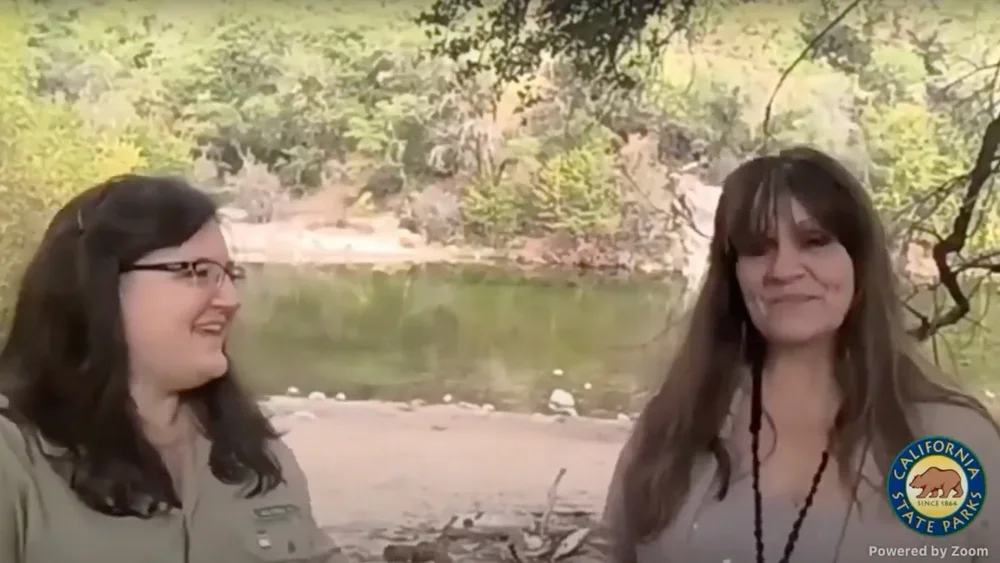
Tribal Spokesperson Shelly Covert joined California State Parks’ PORTS Distance Learning Program at South Yuba River State Park to discuss the NCR Nisenan Tribe’s connection to the Yuba Watershed, their spiritual understanding of land, animals, and plant kin as living family, and the medicine of connection to Land.
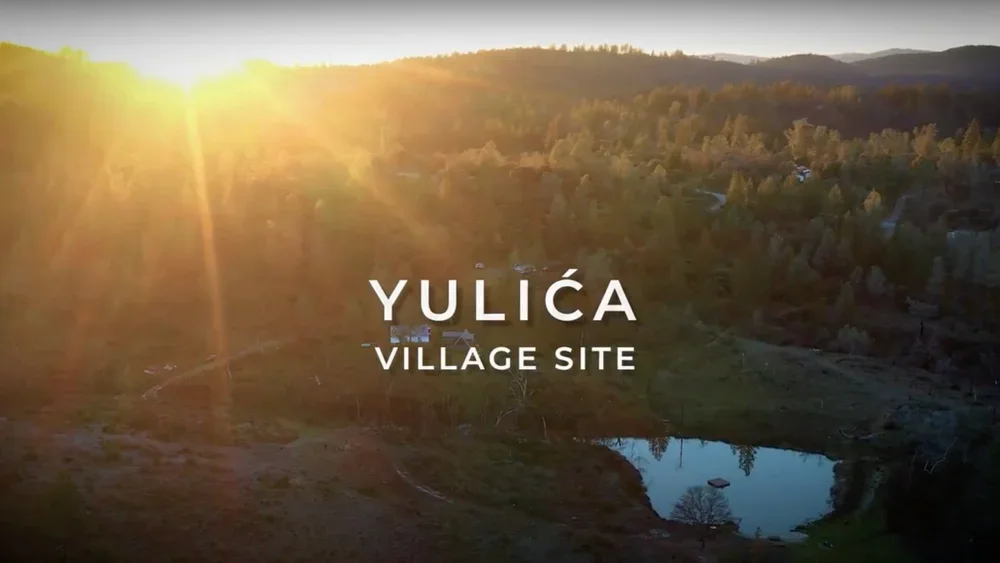
After a successful grassroots campaign, the NCR Tribe and HUṠWEJ raised over $2.5 million to purchase the historic Nisenan village site Yulića, closing escrow in September 2024 after lengthy negotiations. The rematriation of Yulića holds powerful potential for healing and stability for the Tribe, the land, and the Sierra Nevada foothills community.
This webinar featuring Cassandra Ferreira (Director of the Center for Ethical Land Transition) and Frank Lawrence (pro bono attorney for HUṠWEJ) explores the NCR Nisenan Tribe’s loss of federal recognition, the Woolman Quaker community’s ethical land transition, and the healing potential of the Homeland Return campaign.
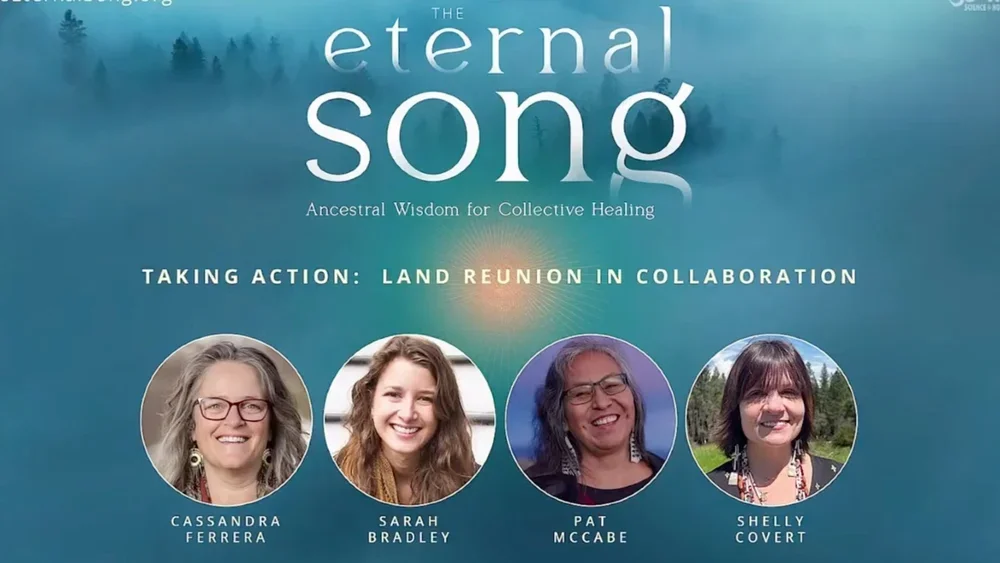
Shelly Covert, NCR Nisenan Tribal Spokesperson and Executive Director of HUṠWEJ, participated in the panel “Taking Action: Land and Reunion in Collaboration” at the The Eternal Song Global Gathering. Alongside Pat McCabe, Sarah Bradley, and host Cassandra Ferrera, she explored land as kin, ceremony, relational repair, and pathways for land return and community stewardship.
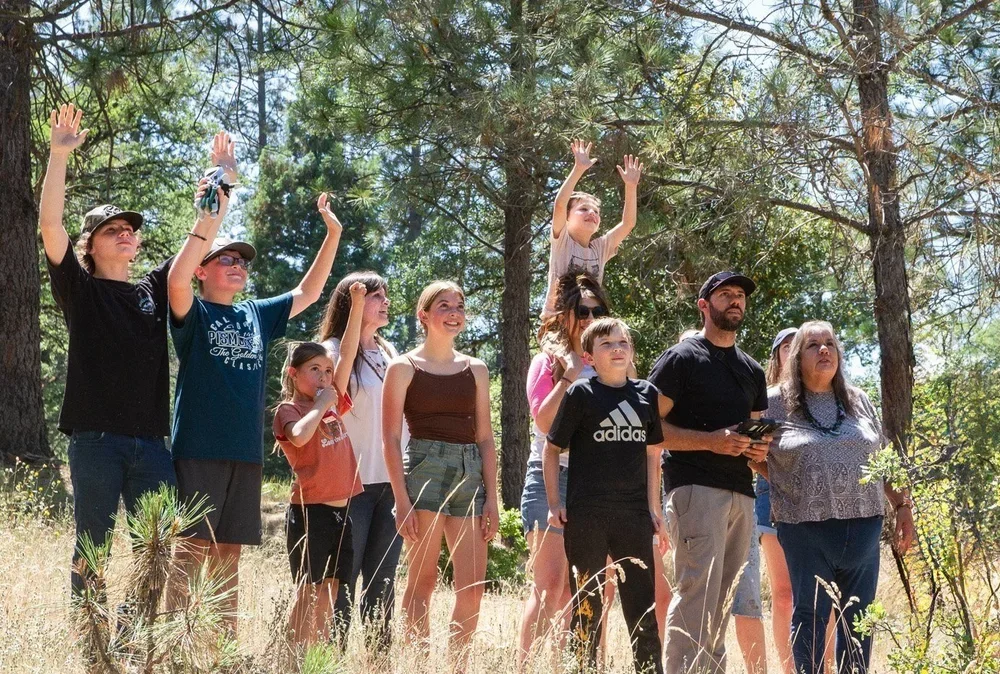
Cultural Survival, a global nonprofit supporting Indigenous rights and sovereignty, recently featured the Homeland Return in its quarterly magazine. The article explores how the rematriation of Yulića offers a powerful opportunity for healing - both for the land and for the Nevada City Rancheria Nisenan Tribe.
In this ten-minute video, Tribal Spokesperson Shelly Covert speaks to the NCR Nisenan Tribe’s perspective on environmental justice and sustainability, including shifting our understanding of Land and plant and animal-kin as living-beings, and engaging environmental healing through a collective, intersectional approach.

Art, Culture + Storytelling
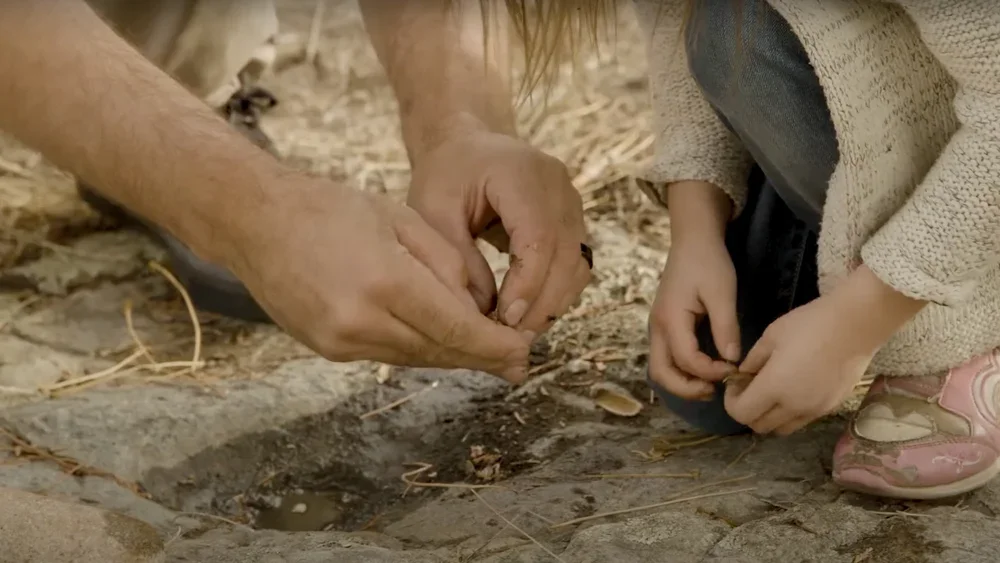
This video offers a glimpse into the importance of intergenerational cultural sharing—the traditional way knowledge has been passed for thousands of years. Nevada City Rancheria Tribal Council members Sarah Thomas, Saxon Thomas, and baby Natalie Thomas invite us into this living exchange between past and present, echoing through each pound of the stone.
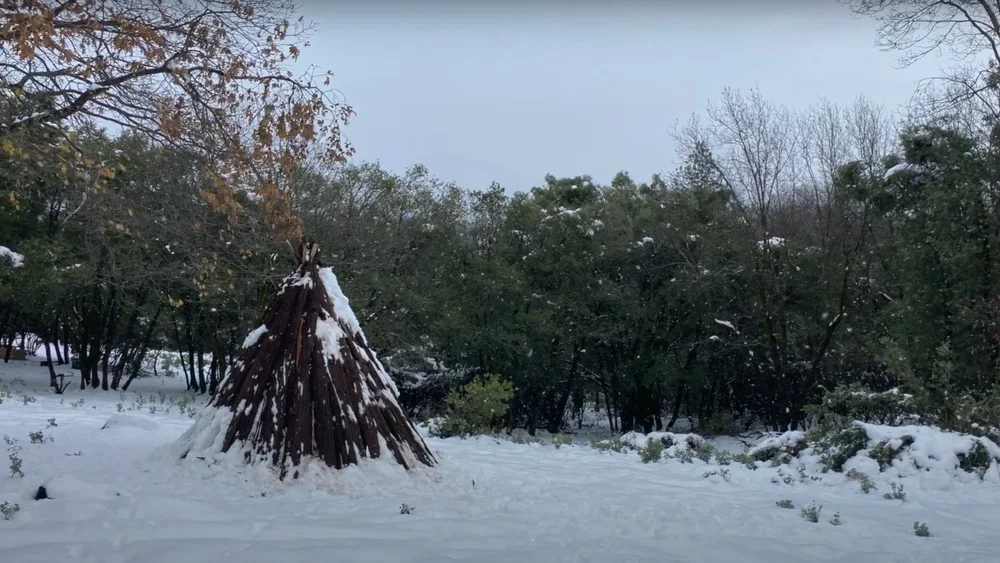
An interview with Richard Johnson, Nevada City Rancheria Nisenan Tribal Chairman with KVMR News Magazine, in which he details Nisenan Cultural practices related to preparing for winter.
Recommended Reading
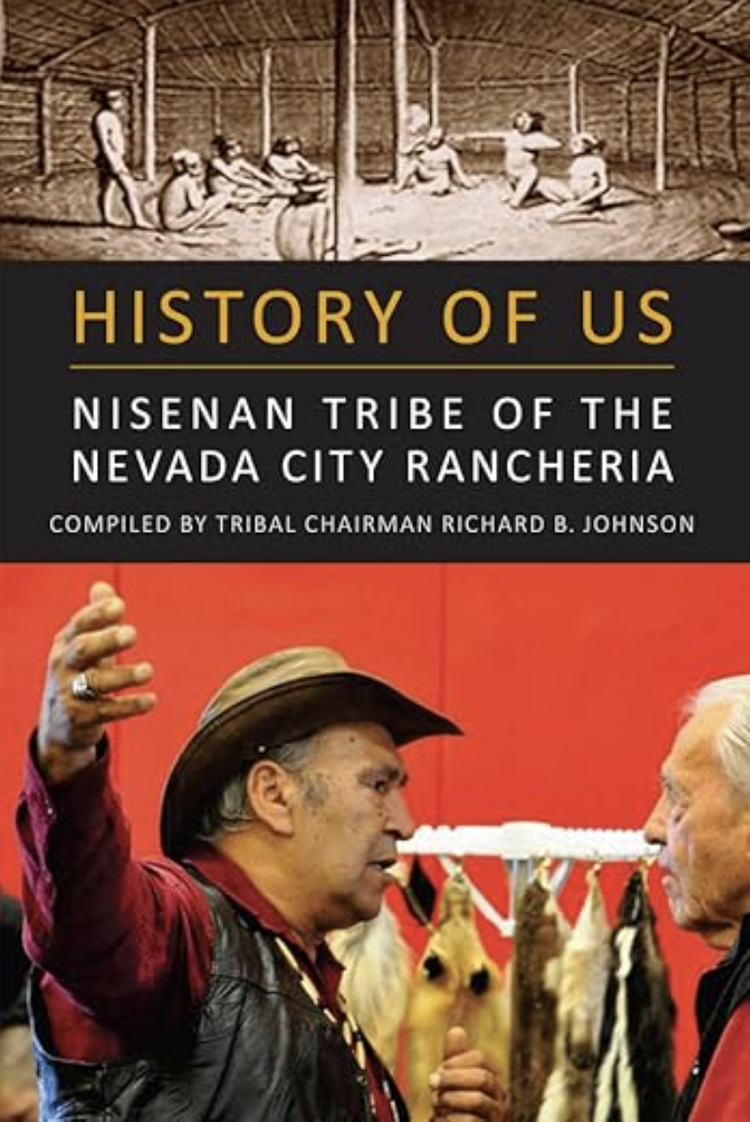
Richard Johnson, NCR Nisenan Tribal Chairman
Written by Nevada City Rancheria Tribal Chairman, History of Us explores the history and Cultural stories of the Nisenan People, their land-based practices and relationship to abundance of the Bear and Yuba watersheds, the impact the gold rush, the establishment and subsequent illegal disbandment of the Nevada City Rancheria, and the current state of fight for federal recognition.
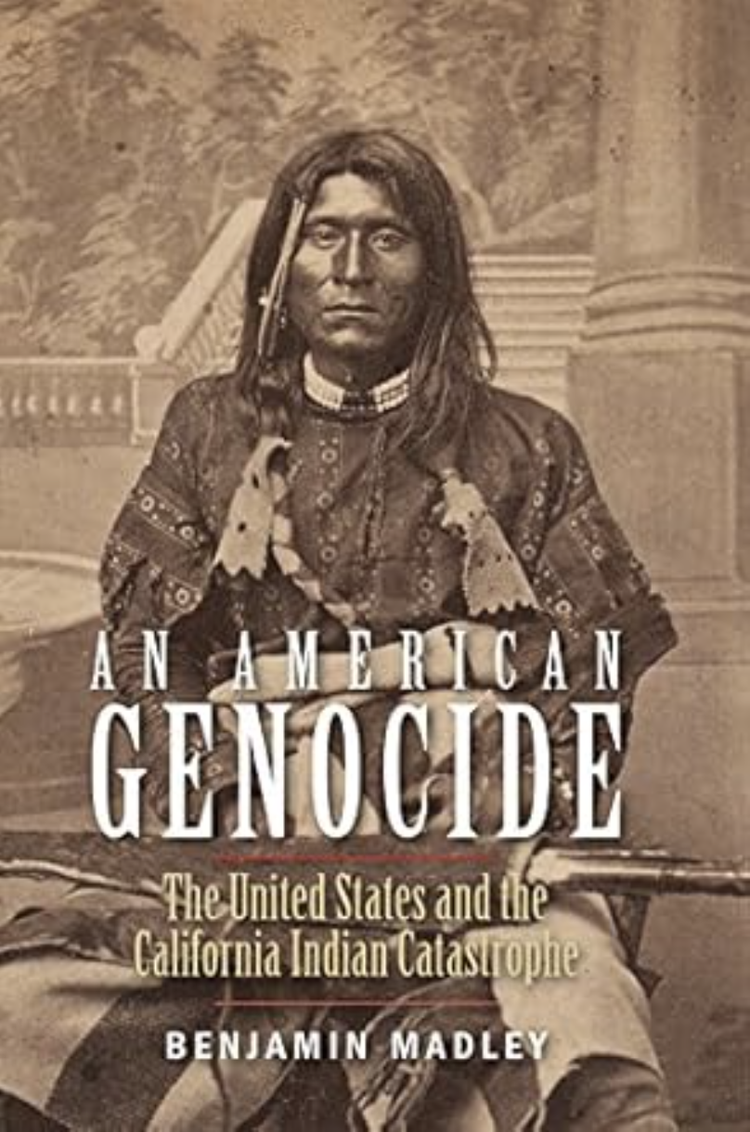
Madley’s groundbreaking work reveals the often-overlooked history of state-sponsored violence against California’s Indigenous people during the gold rush. His research illuminates the systemic violence and displacement that shaped California’s early development.
Benjamin Madley